Explore our success stories across digital innovation and hospitality excellence. Each case study demonstrates our approach to solving real business challenges with measurable results.
We're selecting 5 hospitality businesses across the UK, USA, Europe, and the Middle East for our Founding Client Programme — premium consultancy and digital services at 50% off in exchange for a documented case study. The showcases below demonstrate the scope and quality of work these clients receive. Spots are limited and filling.
Apply for a Founding Client Spot →Complete launch packages for coffee shops, restaurants, and pubs — see exactly what a full venue launch looks like, from concept to opening day.
Full turnkey launch package — brand identity, interior concepts, menu design, packaging, uniforms, signage, marketing materials, and operational setup for a new café.
Explore Full Deck →End-to-end restaurant launch — brand identity, interior and exterior design, bar setup, menu engineering, table branding, staff uniforms, marketing campaign, and operations.
Explore Full Deck →Full pub transformation package — brand identity, interior concepts, bar design, cellar setup, menu development, entertainment programming, signage, and launch strategy.
Explore Full Deck →These concept showcases demonstrate the complete breadth of what we deliver for venue launches — every single touchpoint, from brand identity to opening day.
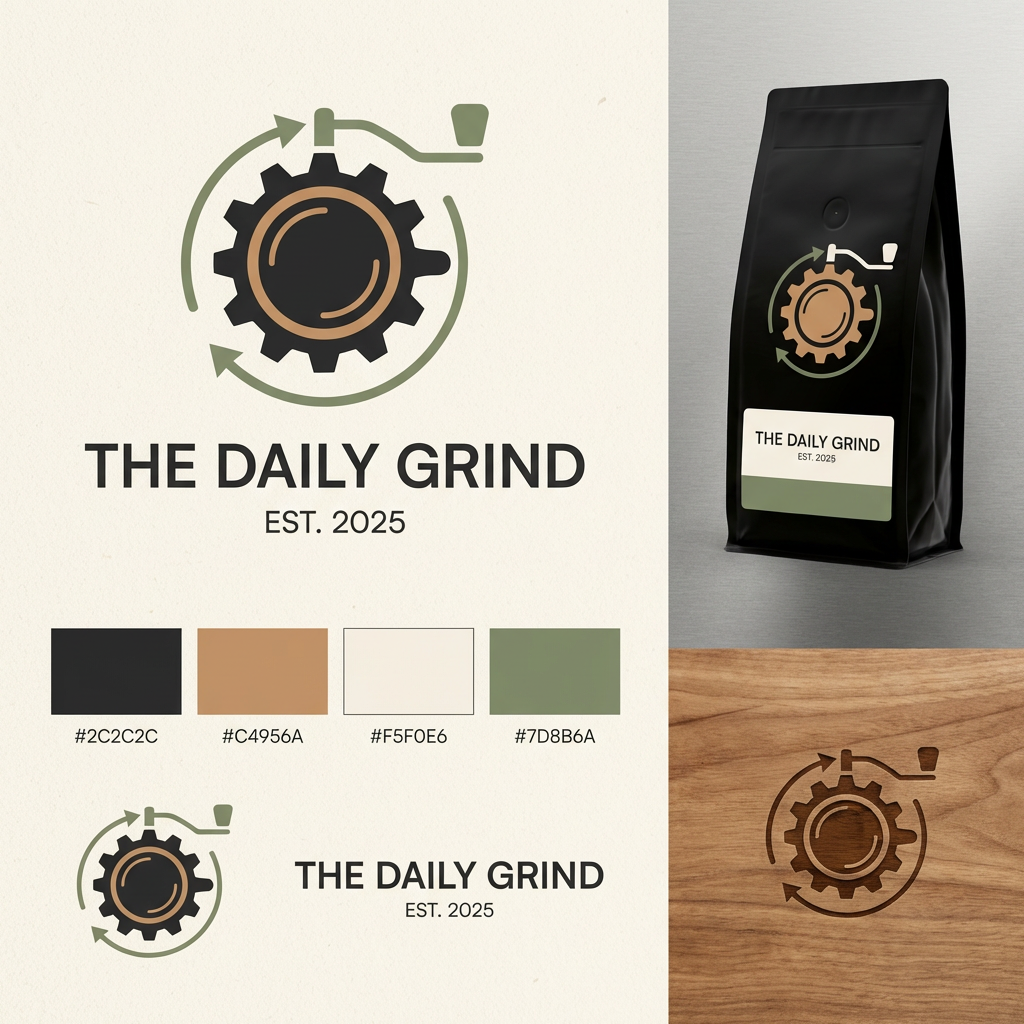
Concept Showcase
142+ deliverables across 8 design phases
See every touchpoint a coffee shop needs — from brand identity through storefront signage, menus, packaging, uniforms, and marketing — designed as one cohesive system by our team.
Explore Full Showcase →
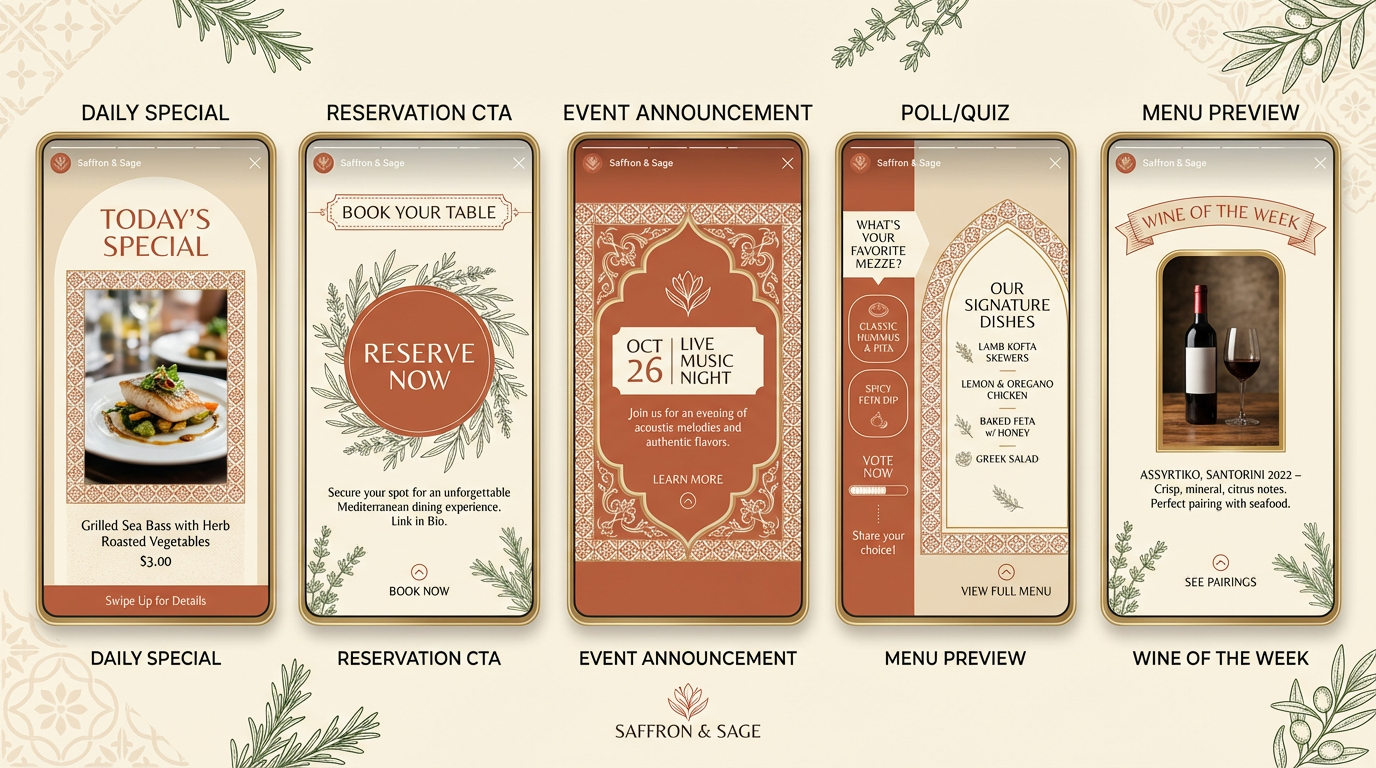
Concept Showcase
180+ deliverables across 10 design phases
See what a full restaurant launch looks like — brand identity, exterior, interior, bar, menus, table branding, packaging, uniforms, marketing, operations, and a complete launch campaign.
Explore Full Showcase →
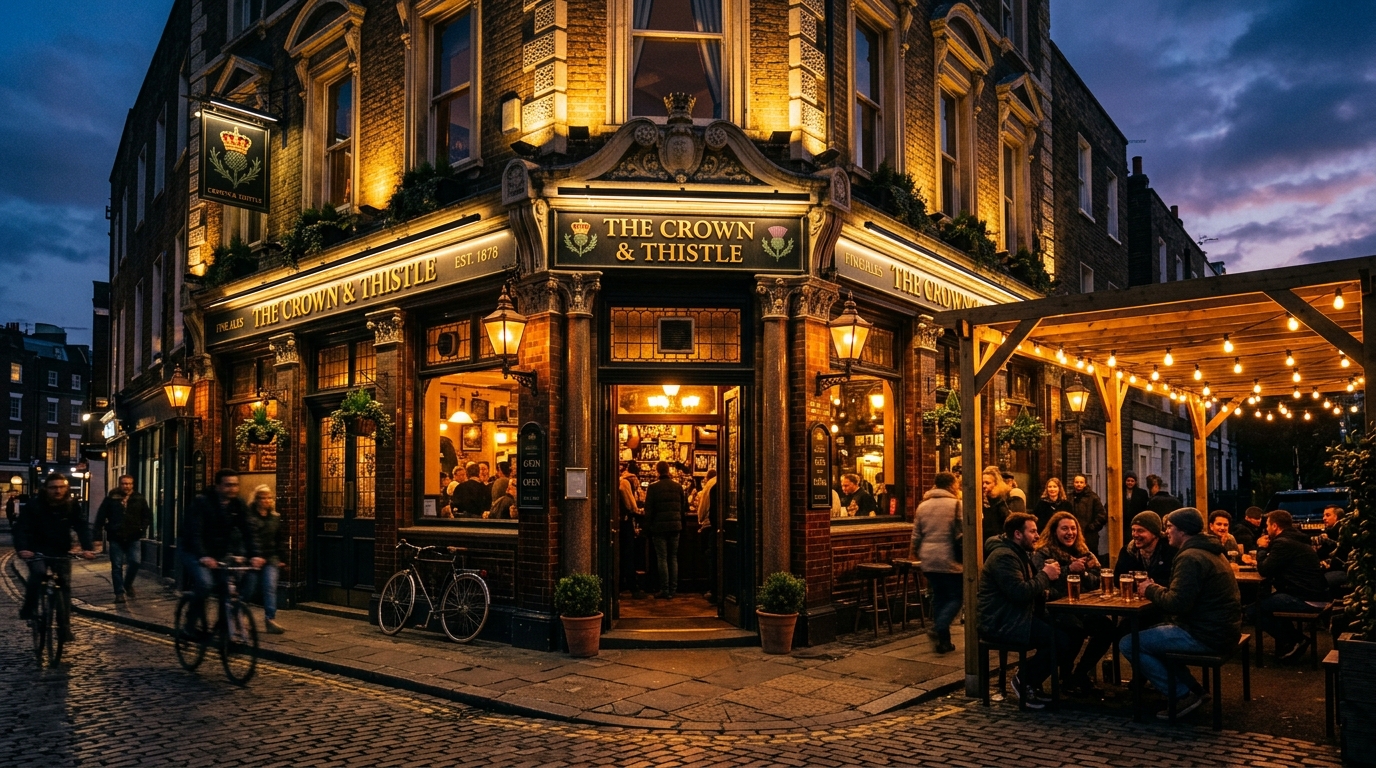
Concept Showcase
120+ deliverables across 8 design phases
See what a full pub transformation looks like — brand identity, exterior, interior, bar, menus, packaging, uniforms, marketing, and a complete launch campaign designed as one cohesive system.
Explore Full Showcase →
Before
After
The Rustic Plate was struggling with an outdated website that loaded slowly, performed poorly on mobile devices, and failed to convert visitors into diners. Their booking system was complicated and their stunning food photography was not showcased effectively.
We designed a modern, responsive website that prioritized mobile users and highlighted their cuisine through professional photography. We implemented a streamlined booking system that reduced the steps needed to make a reservation, and optimized site speed for better search engine rankings.
Within three months of launch, The Rustic Plate saw a 65% increase in online bookings, a 40% reduction in bounce rate, and significantly improved search rankings for local dining queries. The new website created a digital experience that matched the quality of their in-restaurant experience.
Our Approach: We conducted a full UX audit of the existing site, restructured the information architecture for clearer navigation, and implemented conversion-focused design with integrated online booking — all built for mobile-first performance.
Before
After
Café Lumière had exceptional food and a beautiful space, but almost no social media presence. Their posts were inconsistent, their photography was amateur, and they had no clear strategy for growing their following or driving foot traffic through digital channels.
We created a comprehensive content strategy focused on showcasing their unique French-Japanese fusion cuisine and cozy atmosphere. Using AI-powered scheduling tools, we established a consistent posting rhythm, developed branded templates, and implemented targeted hashtag strategies to reach local food enthusiasts.
Over a three-month period, their Instagram following grew by 215%, engagement rates increased by 47%, and they attracted multiple influencer partnerships that further expanded their reach. Most importantly, they reported a noticeable increase in customers mentioning they discovered the café through social media.
Our Approach: We developed a content calendar aligned with seasonal offerings, created branded visual templates, and trained the in-house team on sustainable social media management — ensuring long-term capability beyond our engagement.
Before
After
Ember Grill was opening their second location but lacked a cohesive brand identity. Their original logo was dated, they had inconsistent colors and fonts across materials, and nothing properly communicated their upscale grill concept focused on open-flame cooking.
We developed a complete visual identity system including a new logo, color palette, typography, and branded elements that evoked the warmth and sophistication of their cooking style. The system included templates for menus, signage, packaging, and digital assets to ensure brand consistency across all touchpoints.
Post-rebrand surveys showed a 72% increase in brand recognition among target customers. The consistent brand identity has simplified their marketing production process, reduced design costs, and created a more premium perception that allows them to command higher price points in their new location.
Our Approach: We built a comprehensive brand identity system from the ground up — logo, colour palette, typography, and brand guidelines — designed to scale across multiple locations while maintaining a cohesive, professional presence.
Before
After
Seafood Harbor had a complex, frequently changing menu that required constant reprinting. Their seafood specials changed daily based on fresh catch availability, and they struggled to communicate these options effectively. Seasonal items and price adjustments caused additional printing expenses and delays.
We developed a digital menu app with QR code integration that allowed for real-time updates and dynamic pricing. The app highlighted daily specials, included high-quality images of dishes, offered filtering by dietary requirements, and collected valuable ordering data. We implemented multi-language support for their diverse clientele.
The digital menu increased average order value by 38% through strategic item placement and upselling features. Printing costs decreased by 59%, and the analytics data provided insights that helped optimize their menu offerings based on popularity and profitability. Customer satisfaction scores improved due to the enhanced visual experience.
Our Approach: We designed a digital menu system with real-time update capability, professional food photography integration, and strategic item placement — enabling instant price changes and visually-driven upselling without reprinting costs.
Bistro 54 was operating with a bloated menu that had been expanded over years without strategic planning. Many dishes had low profit margins, inconsistent quality, and required too many unique ingredients that were leading to food waste. Staff struggled to maintain quality across the extensive offering.
We conducted a complete menu engineering process, analyzing the profitability and popularity of each dish. We redesigned their menu to focus on high-margin items, implemented strategic pricing, reduced inventory requirements by 30%, and created a more focused culinary identity. We also redesigned the physical menu with consumer psychology principles in mind.
Within two months, profit margins increased by 23%, food costs decreased by 18%, and kitchen operations became more efficient. Customer satisfaction actually improved despite the reduced options, as the quality and consistency of the remaining dishes increased significantly. The streamlined inventory reduced waste and simplified ordering.
Our Approach: We applied menu engineering principles — analysing food cost percentages, contribution margins, and item popularity — to streamline the offering, reduce waste, and strategically position high-margin dishes for maximum profitability.
Before
After
The Vineyard, an upscale wine bar and restaurant, was experiencing high staff turnover, inconsistent service standards, and declining customer reviews. New employees received minimal training, and there were no standardized procedures for service, wine knowledge, or conflict resolution.
We developed a comprehensive training system including detailed SOPs, a progressive training curriculum, and role-specific modules. The program incorporated wine education, service choreography, tableside manner, and situational role-playing exercises. We created a digital training hub with videos, quizzes, and a certification pathway that rewarded skill development with increased compensation.
Within six months, staff turnover decreased by 74%, customer satisfaction scores increased by 32%, and wine sales grew by 28% due to improved staff knowledge and suggestive selling techniques. The training program created a culture of continuous improvement, with senior staff motivated to develop and mentor newer team members.
Our Approach: We developed a structured training programme covering service standards, product knowledge, and upselling techniques — combined with team engagement strategies designed to improve staff retention and customer satisfaction simultaneously.
Before
After
Urban Plate was experiencing declining revenue despite steady foot traffic. The restaurant had inefficient processes, poor communication between front and back of house, excessive waste, and no clear accountability structure. Labor costs were escalating while service speed was decreasing.
We conducted a comprehensive operational audit, observing every aspect of the business over a two-week period. Our team created a detailed improvement plan focused on restructuring the kitchen workflow, implementing a clear communication system, establishing key performance indicators, and redesigning the floor plan to minimize unnecessary movement. We developed a management dashboard for daily monitoring of critical metrics.
Following our 12-week implementation plan, operational efficiency increased by 41%, revenue grew by 29%, and labor costs decreased by 17% while maintaining the same level of staffing. Average service time decreased from 45 minutes to 28 minutes during peak periods, and customer satisfaction scores showed significant improvement.
Our Approach: We conducted a comprehensive operational audit covering workflow, staffing, supplier contracts, and cost controls — identifying inefficiencies and delivering a prioritised action plan with measurable KPIs for ongoing improvement.
Before
After
The Morning Brew, a new café in a high-traffic area, was struggling with a poorly designed workspace that caused bottlenecks during peak hours. The limited counter space and inefficient equipment placement led to slow service, frustrated customers, and stressed baristas. Their small space seemed inadequate for their business volume.
We redesigned their entire workspace based on time-motion studies of their operations. By analyzing the movement patterns of staff, we created a more ergonomic layout that minimized unnecessary steps and reaching. We implemented a streamlined workflow with dedicated stations, reorganized storage to prioritize high-use items, and introduced a modified ordering system that reduced service time while maintaining quality.
Average service time decreased by 65%, allowing them to serve 47% more customers during peak hours. Barista satisfaction improved dramatically as physical strain and stress decreased. The café was able to increase revenue without expanding their physical space, and the smoother operations created a more relaxed atmosphere for both staff and customers.
Our Approach: We optimised the existing floor plan, streamlined kitchen workflows, and implemented capacity management strategies — proving that increased throughput and quality don't always require more space or more staff.